
OXYGEN RATE
Pulse oximetry measures the amount of oxygen in your blood. Having a good oxygenation level maintains your body's function.
Oxygen enters your body through the respiratory system, where it is exchanged for carbon dioxide, which is then expelled through your mouth and nose as a waste product.
The normal oxygenation ranges go from 95% to 100%, factors like age, health conditions, and the altitude where you live can impact these numbers. When the oxygen level drops to 90% or below, it is called hypoxemia, meaning that your cells are not receiving enough oxygen. In future post we will describe with detail this health condition and its causes.
How can I measure my oxygen level?
There are no manual methods to measure your oxygen levels. A monitor, such as an oximeter or pulse oximeter, can be useful. While no medical training is required to use it, you may need a healthcare provider to make a diagnosis if the result is abnormal.
Pulse Oximeters are the most common devices for measuring oxygen levels. The reliability and accuracy can vary since factors like nail polish, fake nails, deeper skin tones, and excessive movement can affect the results.
Places to measure your oxygen level:
Non-invasive
- Finger
- Earlobe
- Wrist
- Heel (newborns)
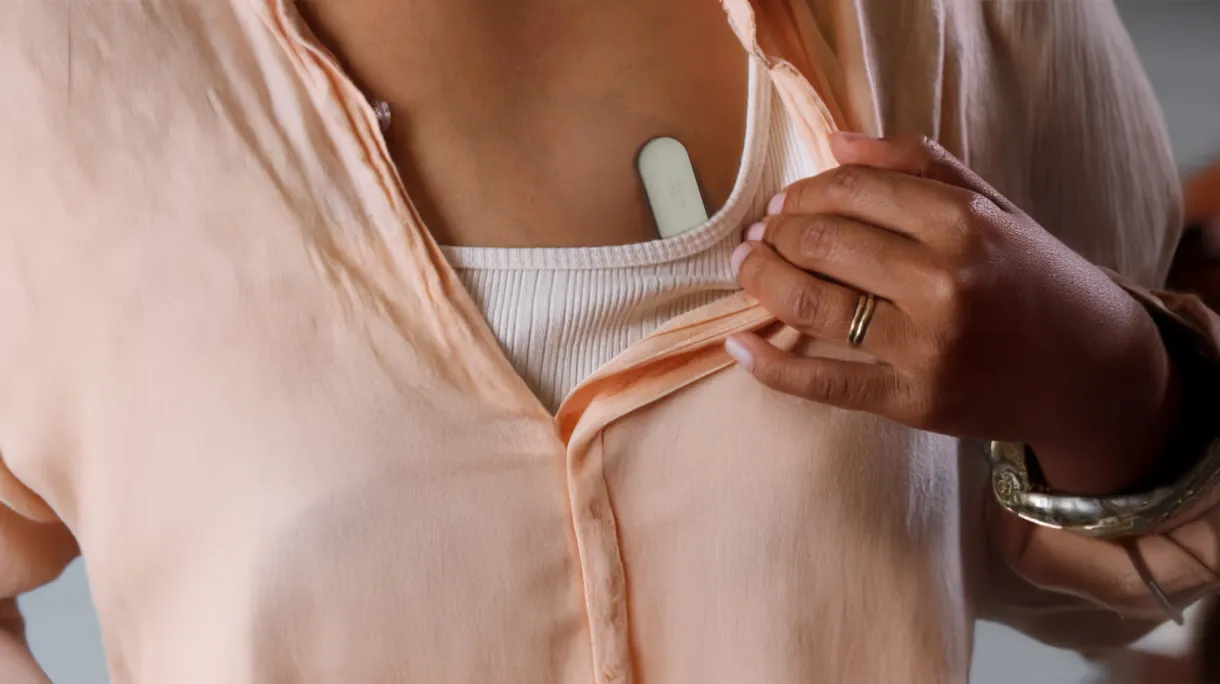
- Chest (Salyx Device)
In most cases, the device must be placed on one of these parts of the body, and within a few seconds, the result will appear. During this time, the person should remain quiet and calm to ensure an accurate reading. The image below, demonstrates how Salyx device works.
Invasive:
Blood Sample (usually from the artery).
This procedure is performed by a health professional, and the blood sample is analyzed in a specialized laboratory. Your healthcare provider will determine whether this lab test is appropriate for you.
Conclusion:
In conclusion, maintaining a good oxygenation level is crucial for overall health, and pulse oximetry provides a simple and effective way to monitor oxygen levels. With the ability to track oxygen levels 24/7, these advanced devices provide continuous insights into your respiratory health. Stay tuned for more information on Salix’s technology and how it can support your health. If you notice any irregularities in one or more vital signs, contact your healthcare provider for a professional evaluation.
**The content on this site, regardless of its date, is not intended to replace direct medical advice from your doctor or another qualified healthcare professional**
Salvica Team
Posted on March 27, 2025
Other posts you might like

HEART RATE OR PULSE
Salvica understands that knowing your loved one's heart rate and how to measure it is a simple, yet powerful way to monitor their health.

Common Myths About Aging
Aging is a natural part of life, but unfortunately, it’s often surrounded by misconceptions that don’t reflect reality. Many of these myths can lead to stereotypes and limit how society views and values older adults. Let’s clear up a few of the most common ones.

BLOOD PRESSURE
“The blood pressure is the force of your blood while moving through your vessels” (American Heart Association, 2024).

BODY TEMPERATURE
Body temperature can vary based on factors like age, time of day, activity level, and measurement method. For healthy adults normal body temperature typically ranges from 97°F (36.1°C) to 99°F (37.2°C).
Connect. Collaborate. Thrive Together.